 Live z lektorem
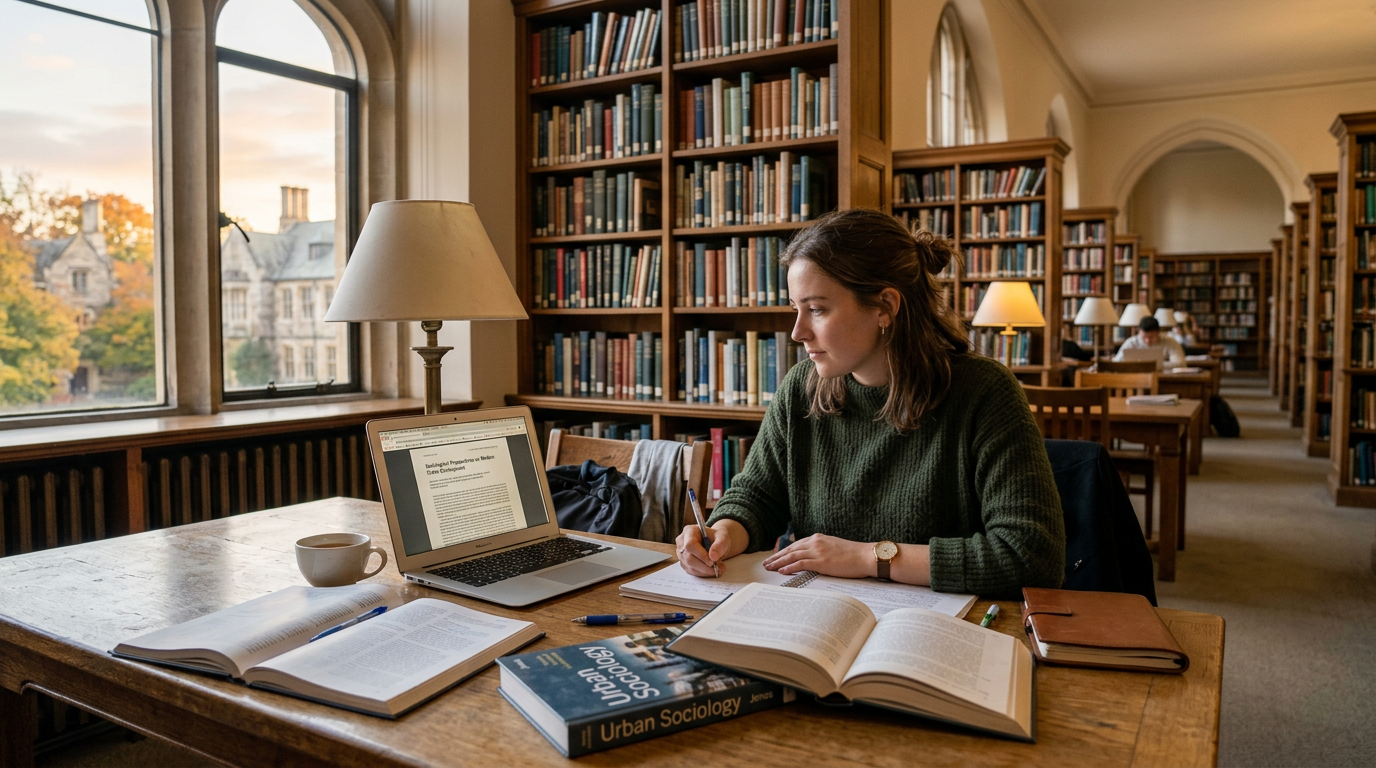
Evaluating Sources for a Research Paper
Student can evaluate the reliability of academic sources and speculate about their trustworthiness using modals of deduction
Przebieg lekcji Jak wyglądają zajęcia z lektorem
Luźna rozmowa z lektorem na temat lekcji
Nowe zwroty w kontekście, nie z listy
Ćwiczysz gramatykę w rozmowie, nie na kartce
Roleplay, dyskusja i scenariusze z życia
Co zapamiętać + zadanie domowe
7 interaktywnych slajdów
Prowadzone na żywo przez lektora
Conversation Lab
3 scenariusze roleplay
Praca domowa
3 ćwiczenia z automatyczną oceną
modals of deduction
Słownictwo — podgląd
4 z 8a book, article or website where information comes from
"You should always check where each source comes from."
able to be trusted and likely to be correct
"A peer-reviewed journal is usually reliable."
an unfair preference that makes information one-sided
"This article shows a clear political bias."
the quality of being believed and trusted
"The author's credibility depends on their qualifications."
+ 4 kolejnych zwrotów poznasz na zajęciach z lektorem
O czym porozmawiasz z lektorem
Przykładowe pytania z rozgrzewki — lekcja zaczyna się od rozmowy
- 1
When you read something online, how do you decide whether you can trust it?
💡 Think about signals you look for — the author, the date, the website.
- 2
Have you ever used a source in your work that turned out to be wrong or misleading?
💡 Recall a specific moment and what happened next.
- 3
In your opinion, is Wikipedia a reliable place to start research? Why or why not?
💡 Weigh convenience against accuracy.
- 4
If you had only one hour to research a serious topic, where would you look first?
💡 Consider speed versus quality of sources.
- 5
Would you rather read one long expert article or ten short blog posts on the same topic?
💡 Think about depth versus variety.
Chcesz przećwiczyć ten temat z Native Speakerem?
Bezpłatna lekcja próbna 25 minut. Lektor pokaże Ci, jak wygląda praca z tematem na żywo, 1:1.
Wypróbuj bezpłatnieBez umowy · 0 zł za próbę · Native speaker
Najczęstsze pytania
Dla kogo jest lekcja „Evaluating Sources for a Research Paper"?
Lekcja jest dla osób na poziomie B2, które chcą swobodnie rozmawiać po angielsku w kontekście: angielski akademicki. Prowadzimy ją indywidualnie 1:1 z native speakerem i dopasowujemy tempo do Ciebie.
Czego nauczysz się na tej lekcji?
Student can evaluate the reliability of academic sources and speculate about their trustworthiness using modals of deduction Przy okazji przećwiczysz: modals of deduction.
Jak wygląda lekcja z native speakerem?
Spotykasz się z lektorem na żywo przez Zoom lub Google Meet — 25 lub 45 minut rozmowy 1:1. Lektor prowadzi konwersację, podsuwa słownictwo i poprawia wymowę, bez sztywnego scenariusza i bez stresu.
Ile kosztuje lekcja i czy jest umowa?
Lekcja indywidualna kosztuje 54 zł (25 min) lub 84 zł (45 min). Pierwsza lekcja próbna jest bezpłatna, a nauka jest bez umowy — rezygnujesz mailem z 3-dniowym wyprzedzeniem.
Podobne lekcje — Angielski akademicki
Wszystkie Live z lektorem
Learning on Your Own
Student can discuss and evaluate independent learning strategies using gerunds and infinitives naturally
 Live z lektorem
Looking Back on Academic Challenges
Student can reflect on past academic struggles and express regrets using wish/if only in a natural conversation
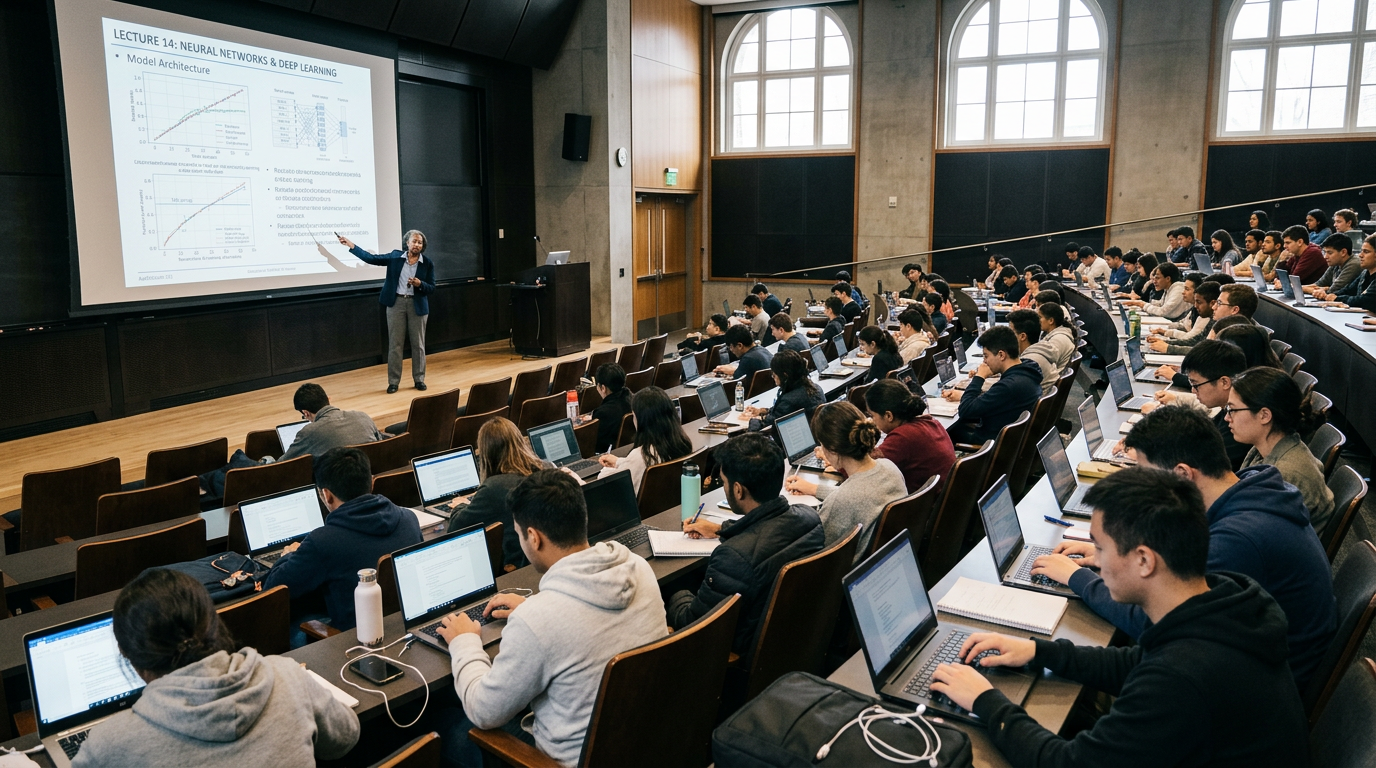 Live z lektorem
Reporting the Lecture
Student can accurately report what experts said in a university lecture using reported speech
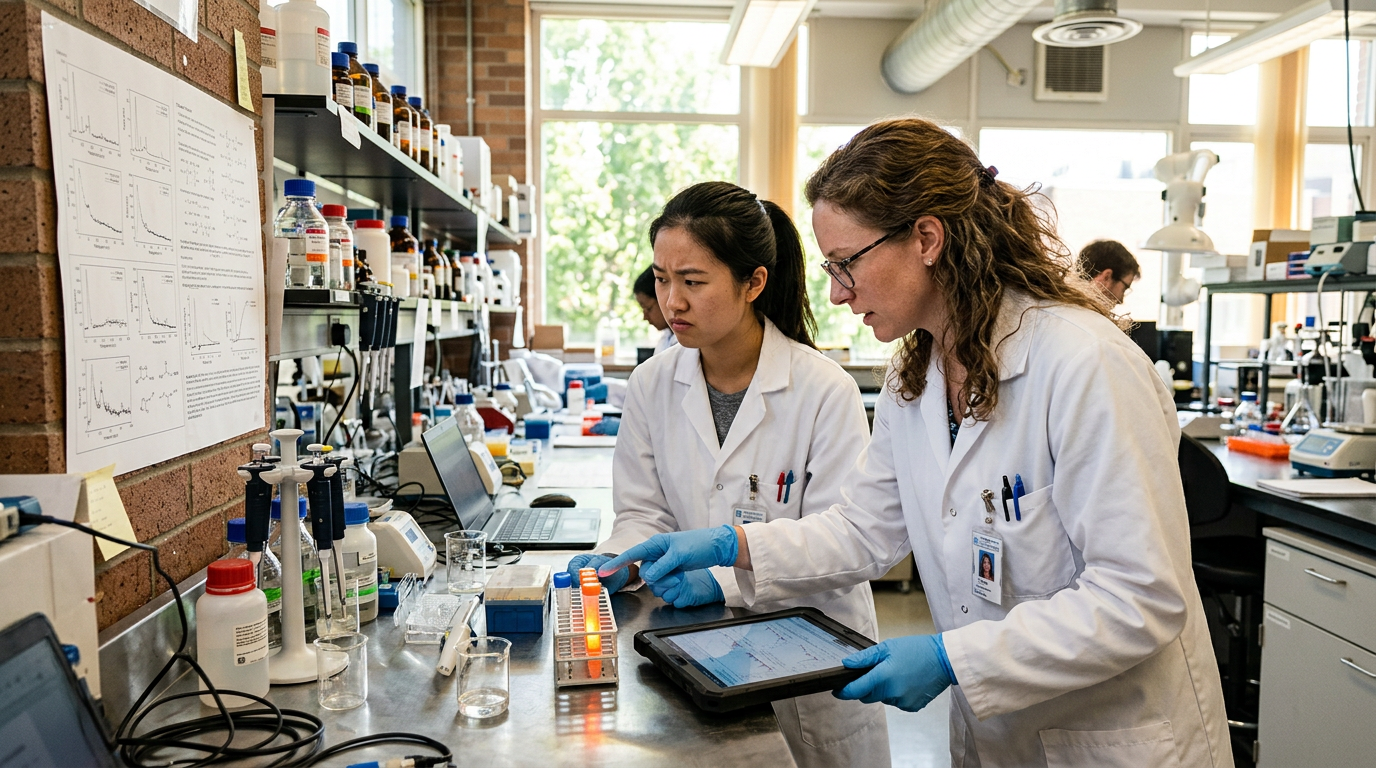 Live z lektorem
What If the Experiment Had Failed?
Student can discuss alternative outcomes in scientific research using the third conditional in academic and professional contexts
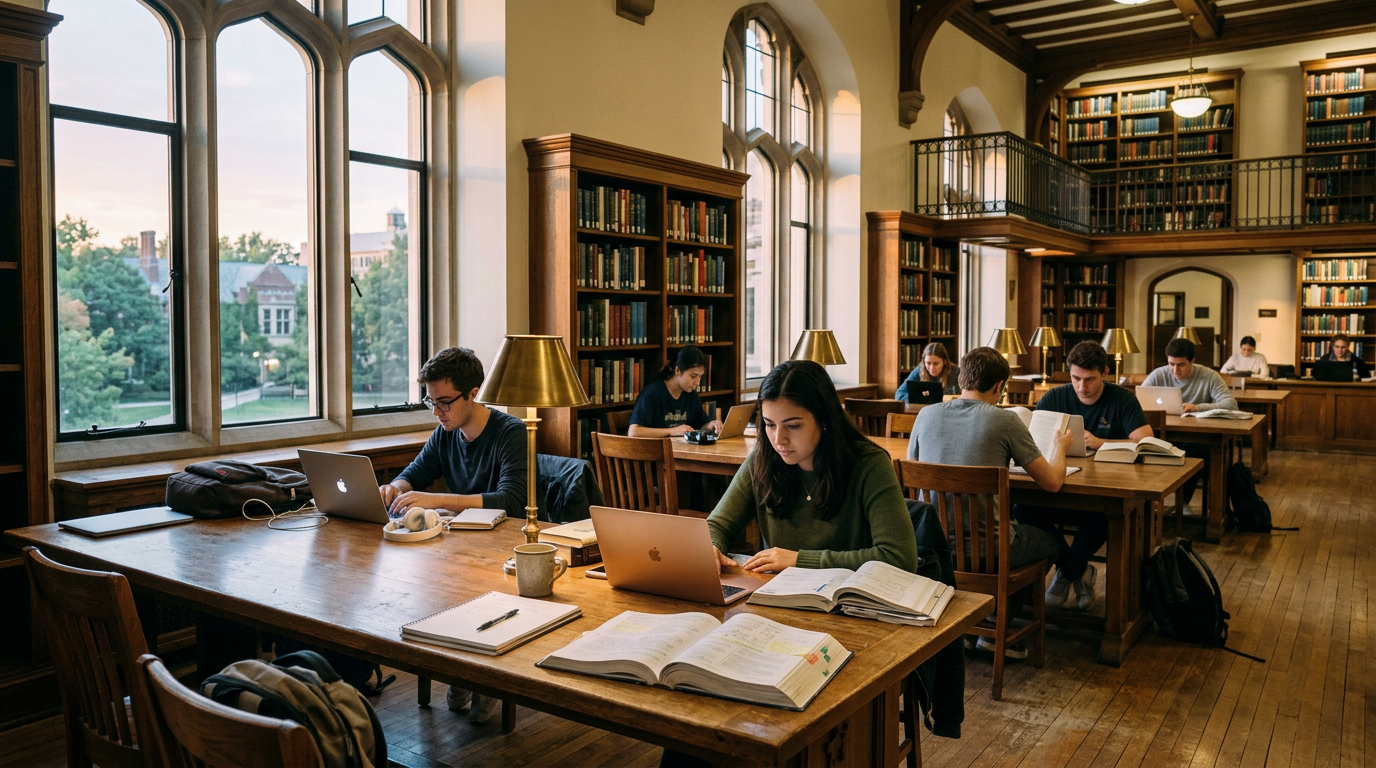 Live z lektorem
Napisz esej po angielsku i zrób wrażenie
Writing Your First Essay in English
Koniec z chaotycznymi wypracowaniami. Nauczysz się budować spójny, przekonujący esej — z mocną tezą i argumentami, które płyną naturalnie. Poczujesz, że naprawdę piszesz po angielsku.
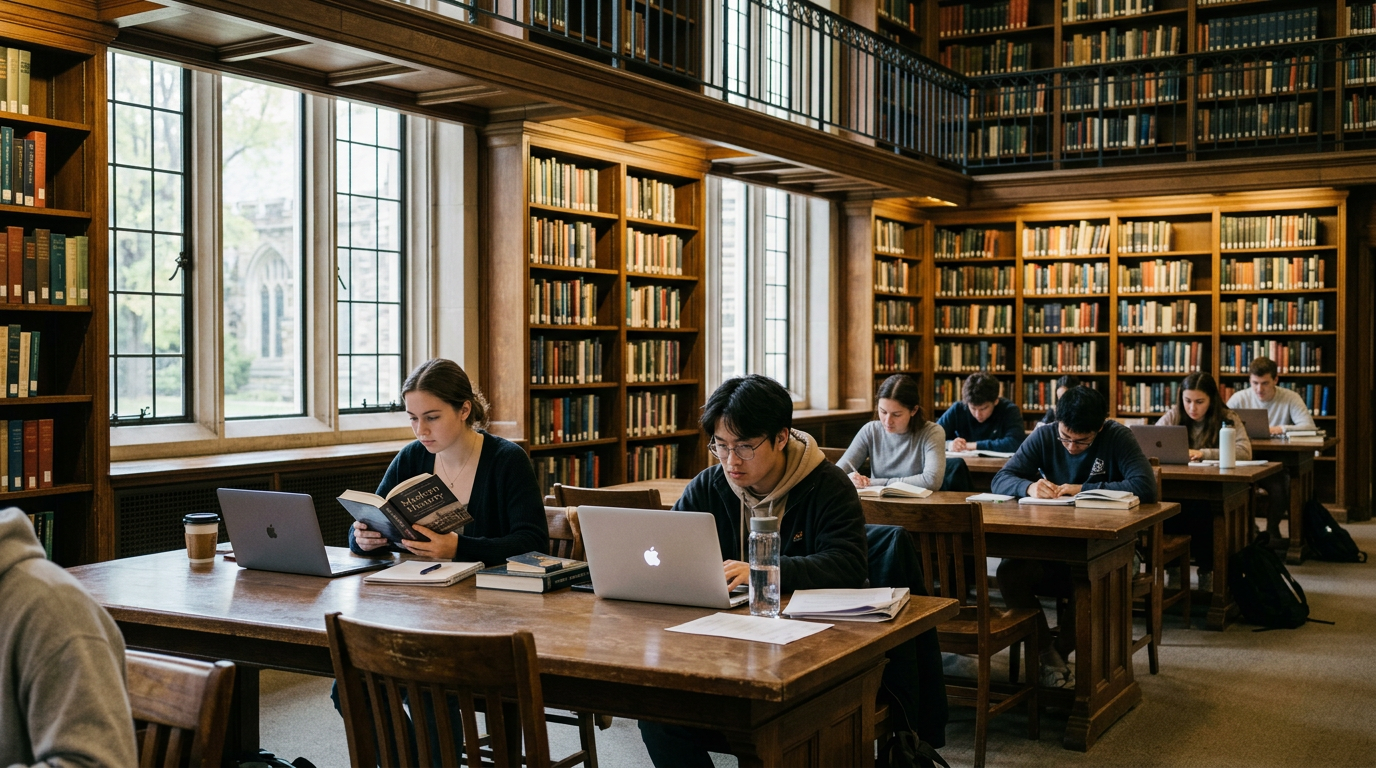 Live z lektorem
Opowiedz o swoim dniu na uczelni
A Typical Day in the University Library
Przestaniesz gestykulować i szukać słów, gdy ktoś zapyta co robisz na co dzień. Po tej lekcji opiszesz swój dzień studenta pewnie i naturalnie.